
Top Risks Your Business Insurance Must Cover – Every business, regardless of its size or industry, faces a host of uncertainties that could threaten its financial well-being and stability. Acquiring small business insurance is more than just a precaution—it’s an essential part of ensuring longevity and resilience in unpredictable markets. From cyber threats to natural disasters, the need for robust coverage has never been more critical.
Businesses face risks that can emerge unexpectedly, leaving them vulnerable to costly interruptions or even shutting down operations altogether. Recognizing these risks and ensuring your insurance provides comprehensive protection is a proactive way to shield your business, employees, and reputation from potential harm.
The modern risk landscape is evolving, making it crucial to identify coverage gaps before they lead to expensive consequences. Below, we break down the most significant risks every business owner should address when reviewing their insurance portfolio and offer insights from leading finance and insurance authorities.
Failure to proactively address these threats can have lasting repercussions. Reviewing your coverage, updating policies, and understanding your top risks are among the smartest investments you can make in your company’s ongoing success.
Cyberattacks and Data Breaches
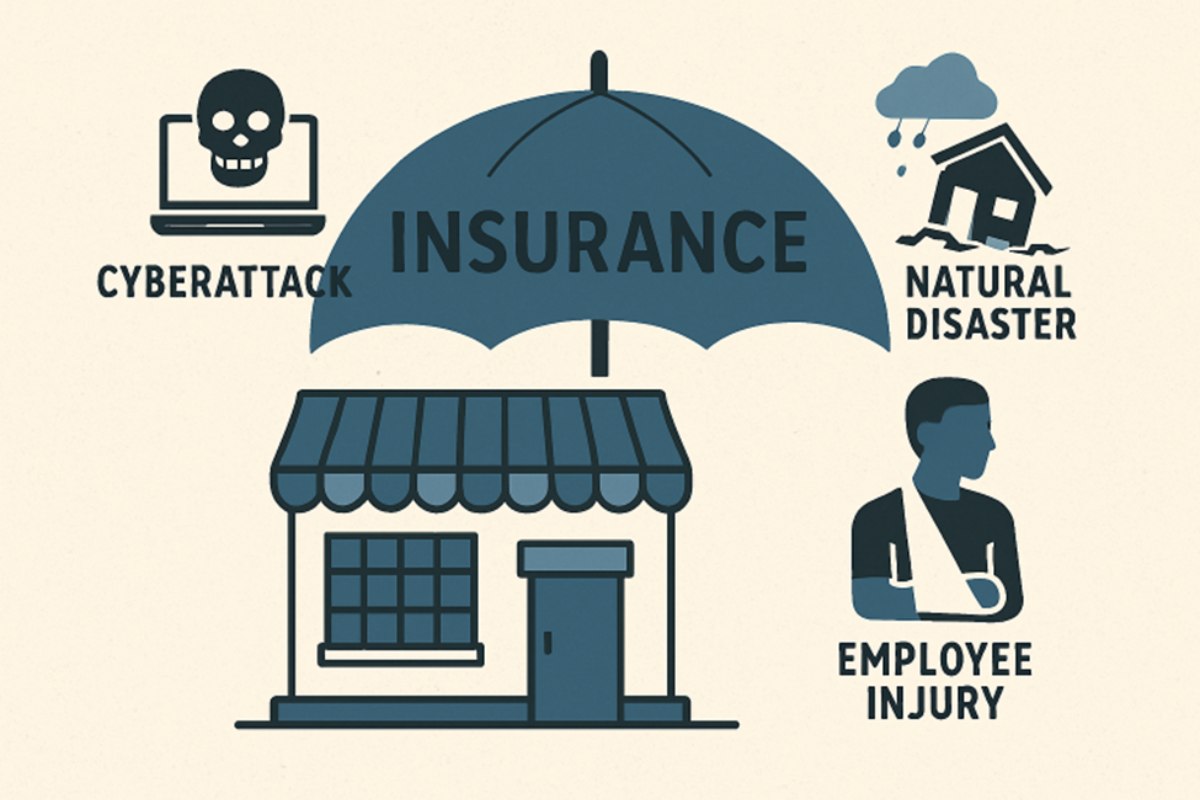
Cyberattacks are among the fastest-growing risks in today’s digital-first economy. With businesses collecting increasing volumes of sensitive data, a single breach can result in massive losses, reputational damage, and legal headaches. According to a recent survey, 69% of business owners are concerned about cyber threats, yet less than a third carry proper cyber liability insurance. Cyber liability insurance can help recoup expenses related to data recovery, legal defense, notification costs, and public relations efforts in the event that your information is compromised.
Natural Disasters and Extreme Weather
The growing impact of climate change has led to a surge in natural disasters, including hurricanes, wildfires, floods, and tornadoes. In 20standarde, the United States experienced a record number of billion-dollar weather-related disasters. Standard property insurance may not provide adequate protection against all forms of natural disasters, especially floods or earthquakes, which often require additional endorsements or standalone policies.
Business Interruption
Unexpected events, such as fires, storms, or other covered disasters, can disrupt business operations and force temporary closures, resulting in significant financial strain. Business interruption insurance is specifically designed to fill the gap by replacing lost revenue and covering essential operating expenses during the recovery period. With this protection, companies can continue to pay bills, maintain employee payroll, and manage other critical expenses without compromising stability. By minimizing the financial impact of unforeseen disruptions, this coverage enables businesses to recover more quickly, preserve customer trust, and maintain long-term operational continuity.
Professional Liability
Mistakes are an inevitable part of any profession, and even minor oversights can lead to significant claims of negligence or malpractice. Studies show that nearly half of all business owners consider professional errors a substantial source of concern. Professional liability insurance, also known as errors and omissions (E&O) coverage, provides essential protection by covering legal defense costs, settlements, or judgments if a client holds you accountable for mistakes, omissions, or substandard work. This insurance helps safeguard both your reputation and financial stability, allowing professionals to operate with greater confidence and peace of mind.
Property Damage
Damage to business property or inventory can have a significant impact on a company if it is not adequately insured. Many common business insurance policies do not automatically include coverage for property damage—especially losses from certain perils—unless you have a dedicated commercial property policy. This insurance can protect your physical assets from fire, theft, vandalism, and even some forms of weather damage, depending on your policy.
Supply Chain Disruptions
Supply chain disruptions are a persistent challenge, especially for businesses that depend on goods, components, or materials supplied by third parties. In recent years, 68% of business owners reported concerns about the vulnerability of their supply chains. Insurance that addresses supply chain issues can cover costs associated with delays, loss of income, and increased expenses incurred because of broken links in your supply network.
Employee Injuries and Workers’ Compensation
Ensuring workforce safety is essential for every employer, both ethically and legally. Across most states, businesses—even those with a small number of employees—are mandated to carry workers’ compensation insurance. This coverage provides critical support, covering medical expenses, rehabilitation services, and lost wages when employees are injured or develop illnesses related to their job duties. Beyond regulatory compliance, having workers’ compensation in place demonstrates a commitment to employee well-being and financial security. By prioritizing safety measures and maintaining proper insurance, businesses protect their workforce, reduce liability, and create a responsible and secure workplace environment for all staff members.
Product Liability
Businesses involved in the production, distribution, or sale of physical products are constantly exposed to the risk that their goods could cause injury or property damage. Product liability insurance provides essential protection against legal claims stemming from defects, contamination, or inaccurate or misleading labeling. Without this coverage, even a single lawsuit can result in substantial financial burdens, including attorney fees, court costs, settlements, and expenses associated with product recalls. By securing product liability insurance, companies safeguard their assets, maintain operational stability, and ensure they can continue serving customers with confidence, even in the face of unexpected claims.
Conclusion
Regularly evaluating your insurance policy against the most significant business risks ensures you are prepared to handle unexpected challenges, from property damage and liability claims to operational disruptions. This proactive approach not only safeguards your organization but also signals to investors, employees, and clients that you prioritize long-term stability and responsible risk management. Staying informed about emerging threats and coverage options allows you to adjust policies before issues arise, minimizing potential financial setbacks. For additional guidance on effective risk management strategies, industry authorities such as The Wall Street Journal provide expert analysis, case studies, and actionable insights for businesses of all sizes.